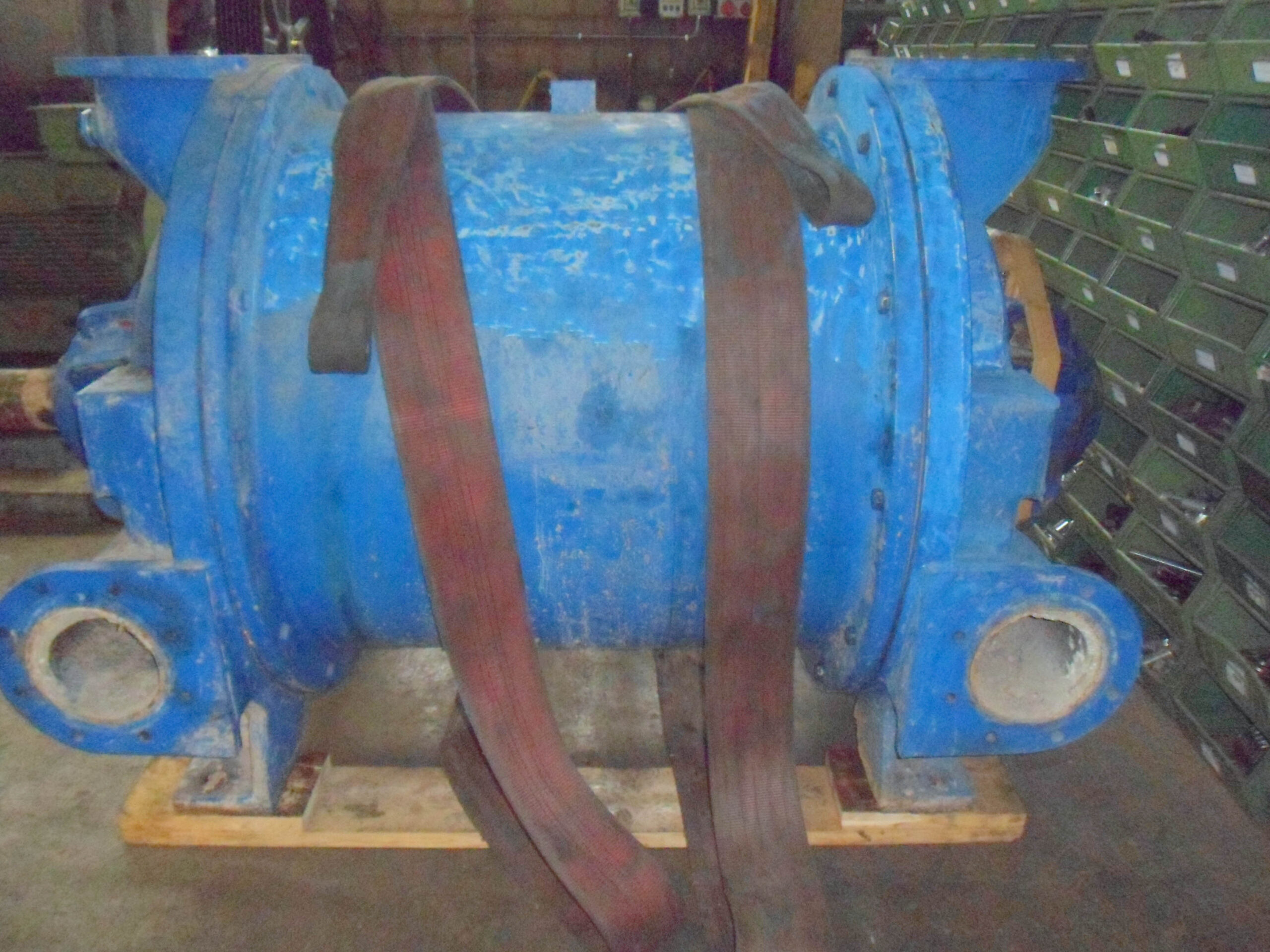
Why a Vacuum Pump Loses Performance Over Time
When Reduced Efficiency Becomes a Problem for the Plant
A vacuum pump is an essential component in numerous industrial processes, from the chemical and pharmaceutical sectors to food processing. Its function is to ensure stable and constant vacuum levels, which are indispensable for the proper operation of the plant. Over time, however, even the most reliable machines can experience a gradual decline in performance.
A reduction in suction capacity, longer times to reach the desired vacuum level, or an increase in energy consumption are often signs of mechanical wear and the deterioration of certain internal components. Understanding the causes of this phenomenon is essential for planning targeted interventions and preserving the machine’s efficiency.
Azmec, a global manufacturer and supplier of vacuum pumps and liquid ring compressors, supports companies with assistance and scheduled maintenance services to maintain high system performance over the long term.
Mechanical Wear of Internal Components
The main cause of performance loss in a vacuum pump is the normal mechanical wear of components subject to continuous movement. Over time, contact between rotating and static surfaces generates friction, which can alter internal tolerances and compromise the sealing of the system.
Among the components most exposed to wear are:
– Seals, which ensure tightness and prevent air infiltration;
– Valves, which are essential for regulating gas flow;
– Vanes (in rotary vane pumps);
– Pumping chamber, where the suction and compression process takes place;
– Bearings and other support elements.
When these elements wear out, internal clearances increase and the pump struggles to reach the expected vacuum level, with an evident deterioration in performance.
Lubricant Degradation and Condensation Contamination
In lubricated pumps, oil performs an essential function: it reduces friction, dissipates heat, and contributes to internal sealing. With use, however, the lubricant can degrade and become contaminated with moisture, solvents, or solid particles.
Oil deterioration causes:
– loss of viscosity;
– reduced sealing capacity;
– overheating;
– greater component wear.
The presence of condensation can also compromise proper operation. When the pump draws in humid air or condensable vapors, the oil can emulsify and lose effectiveness. In these cases, the use of the gas ballast valve helps expel moisture, but involves a temporary reduction in efficiency.
Leaks in Connections and Wear of Piping
The problem does not always lie inside the pump. In many cases, the drop in performance is due to micro-leaks in the system connections.
The most frequent causes include:
– deteriorated flange seals;
– loose fittings;
– cracked or worn pipes;
– seals that are no longer effective.
Even small leaks can compromise the vacuum level and force the pump to work harder, increasing energy consumption and wear.
Deposits, Scaling, and System Contamination
In industrial processes involving dust, aggressive vapors, or processing residues, deposits may accumulate inside the pump and on the valves.
These build-ups can:
– hinder the proper flow of gases;
– alter dimensional tolerances;
– reduce the efficiency of the pumping chamber;
– increase the risk of failures.
For this reason, periodic cleaning and the installation of filters and condensate separators are essential measures for preserving system efficiency.
How to Restore Vacuum Pump Performance
When a vacuum pump shows signs of inefficiency, it is important to take action promptly. The main recommended activities are:
– Regular oil changes, to maintain proper lubrication and protect components.
– Inspection of seals, pipes, and fittings, to identify any leaks.
– Cleaning of the pumping chamber and valves, removing deposits and scaling.
– Installation of filters and condensate separators, to protect the pump from moisture and particles.
– Verification of tolerances and worn components, with replacement of spare parts where necessary.
With a scheduled maintenance program, it is possible to maintain high performance and reduce the risk of plant downtime.
The Importance of Scheduled Maintenance with Azmec
Azmec provides its customers with a complete assistance and maintenance service designed to preserve the efficiency of vacuum pumps and compressors over time.
Thanks to experience gained across numerous industrial sectors, Azmec technicians are able to carry out accurate diagnostics, replace worn components, and propose targeted interventions to optimize machine performance.
This approach makes it possible to:
– extend the useful life of the plant;
– reduce operating costs;
– improve operational reliability;
– maintain consistent performance over time.
Preventing Performance Loss to Ensure Production Continuity
Relying on Azmec means choosing a competent technical partner able to support your company with customized solutions and qualified assistance services.
Contact our team to find out how to keep the performance of your vacuum pumps at the highest level.